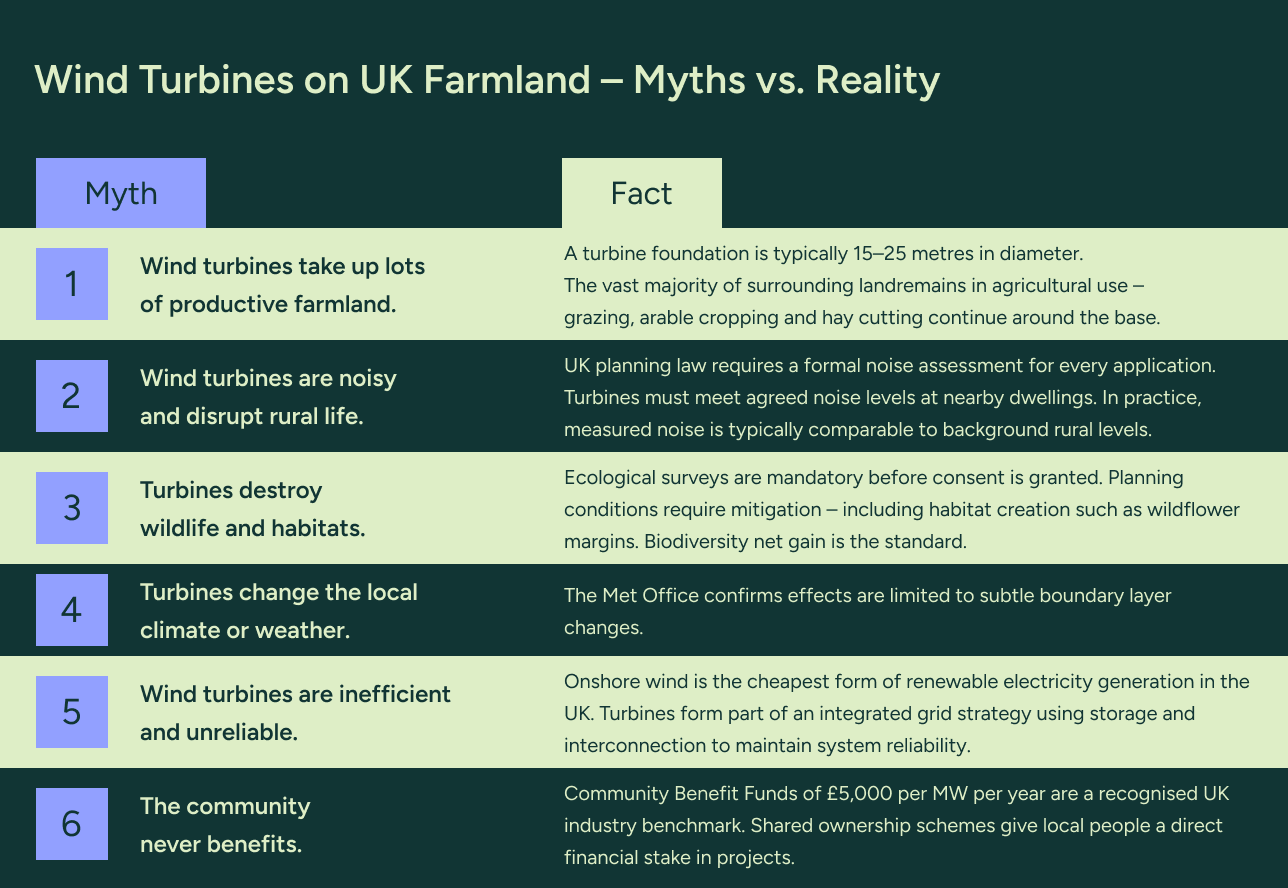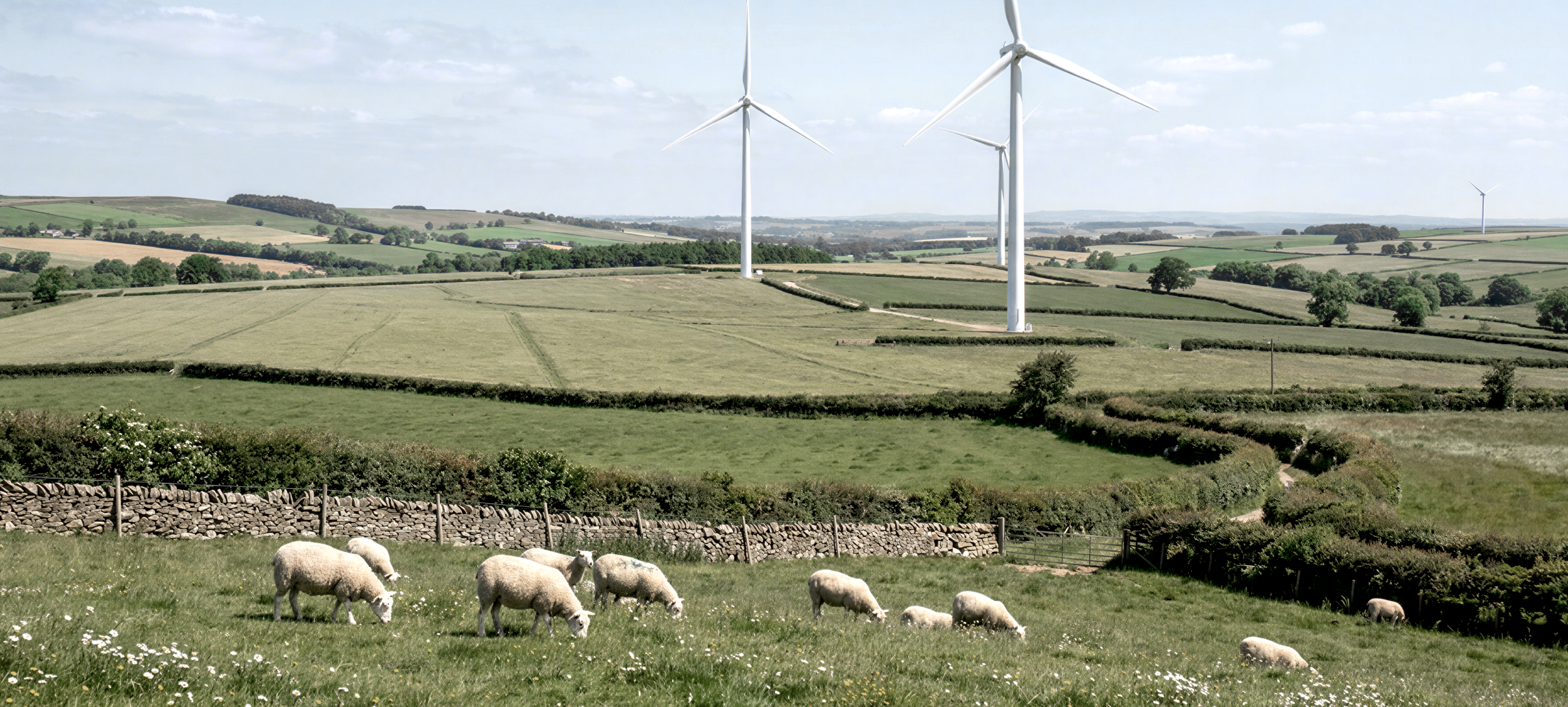
Myth 1: "Wind turbines take up lots of productive farmland"
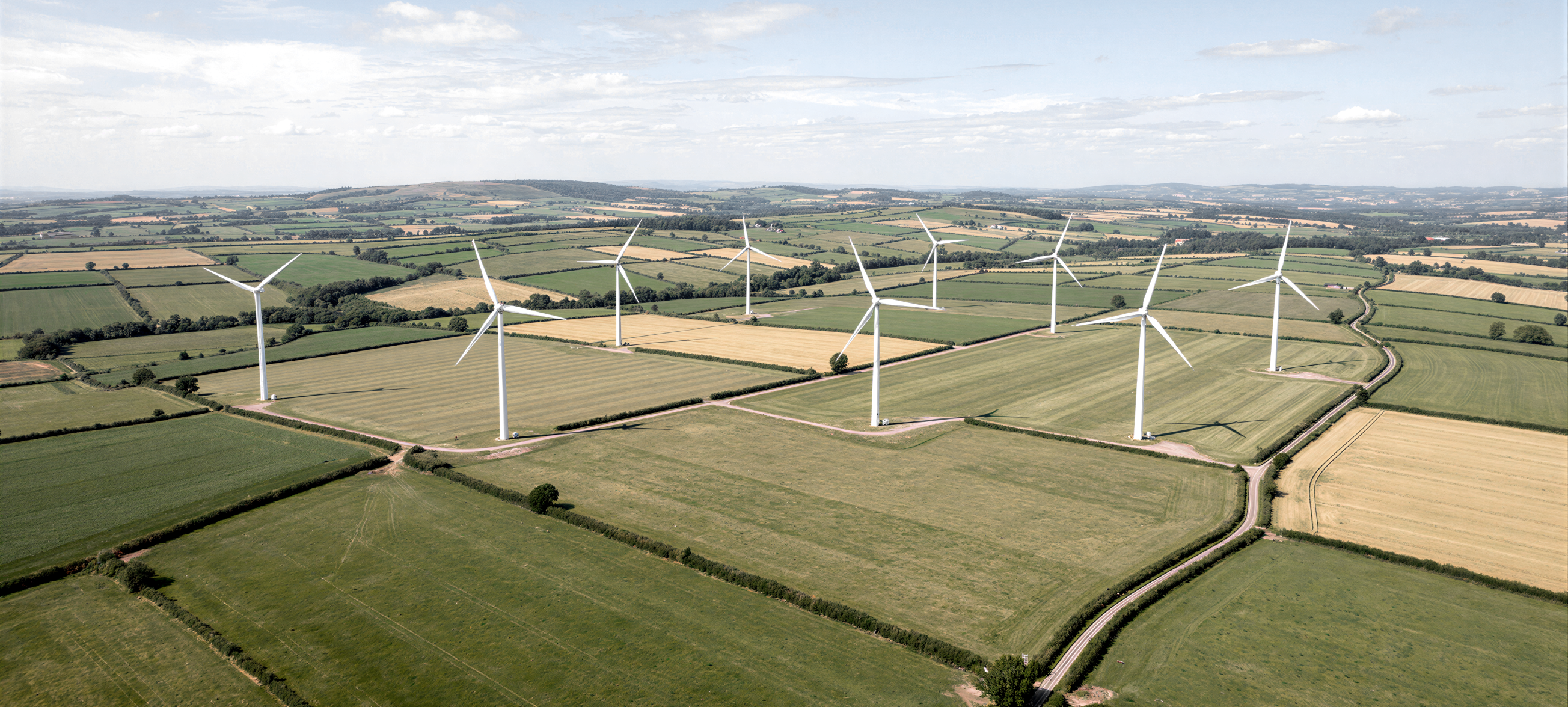
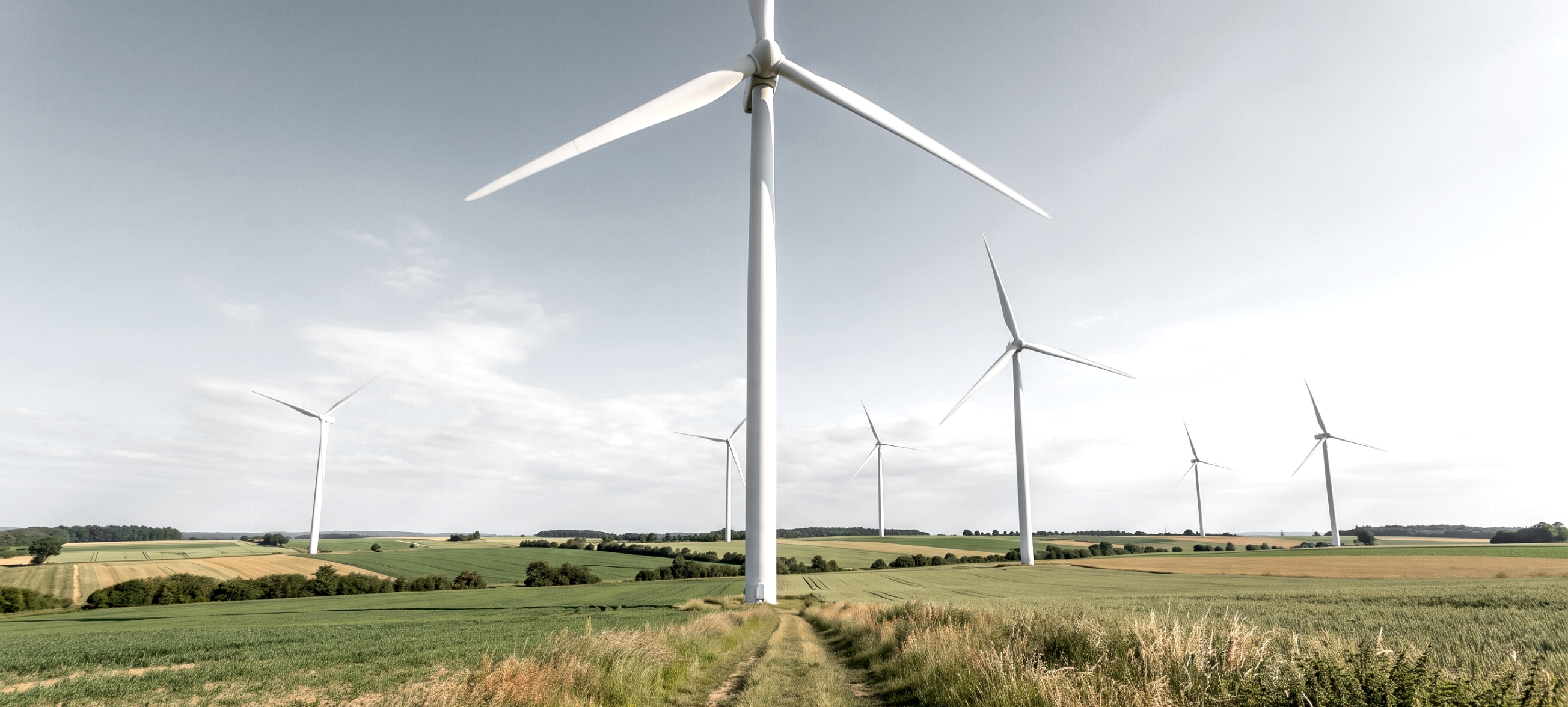
Modern wind turbines occupy only a small footprint of land relative to the area they serve. A typical large onshore turbine is mounted on a concrete foundation typically 15–25 metres in diameter. While the land around the tower must be kept clear for safety and access, the vast majority of the surrounding field can remain in agricultural use. Grazing livestock, arable cultivation, hay cutting and other farm activities often continue around turbines.
Turbines are commonly located on less intensively managed ground, allowing continued productive use of the wider holding. Tracks installed for turbine access can also improve year-round field access for farm operations.
The reality: minimal footprint, continued agricultural use
In planning terms, UK local planning authorities assess proposals under policies such as the National Planning Policy Framework (NPPF) the Town and Country Planning Regulations and local development plans. These policies encourage efficient use of land and require applicants to demonstrate how farmland will continue to be used or enhanced.
Many landowners use turbine income to support diversified enterprises, invest in infrastructure or improve soil health – meaning land is not 'lost' to energy generation but can help underpin the wider farming operation.
Myth 2: "Wind turbines are noisy and disrupt rural life"
Noise concerns are a frequent topic in community discussions. UK planning guidance requires noise assessments as part of any wind turbine application. Turbine noise is managed through planning conditions – including Environmental Impact Assessment (EIA) – and mitigation or operational curtailment is used to ensure agreed receptor levels are met.
The reality: noise is regulated and must meet agreed limits
In practice, once turbines are operational, measured noise levels are typically comparable to background rural noise levels. The rotating blades can create a low, intermittent swish in very still conditions, but this is generally perceived as a low-level sound rather than a continuous disturbance.
Regulators, including the Department for Energy Security and Net Zero (DESNZ) and local councils, can impose conditions that require monitoring and mitigation if noise complaints arise. In cases where turbines genuinely exceed agreed limits, enforcement action or curtailment will be imposed.