A Growing Problem on the Grid
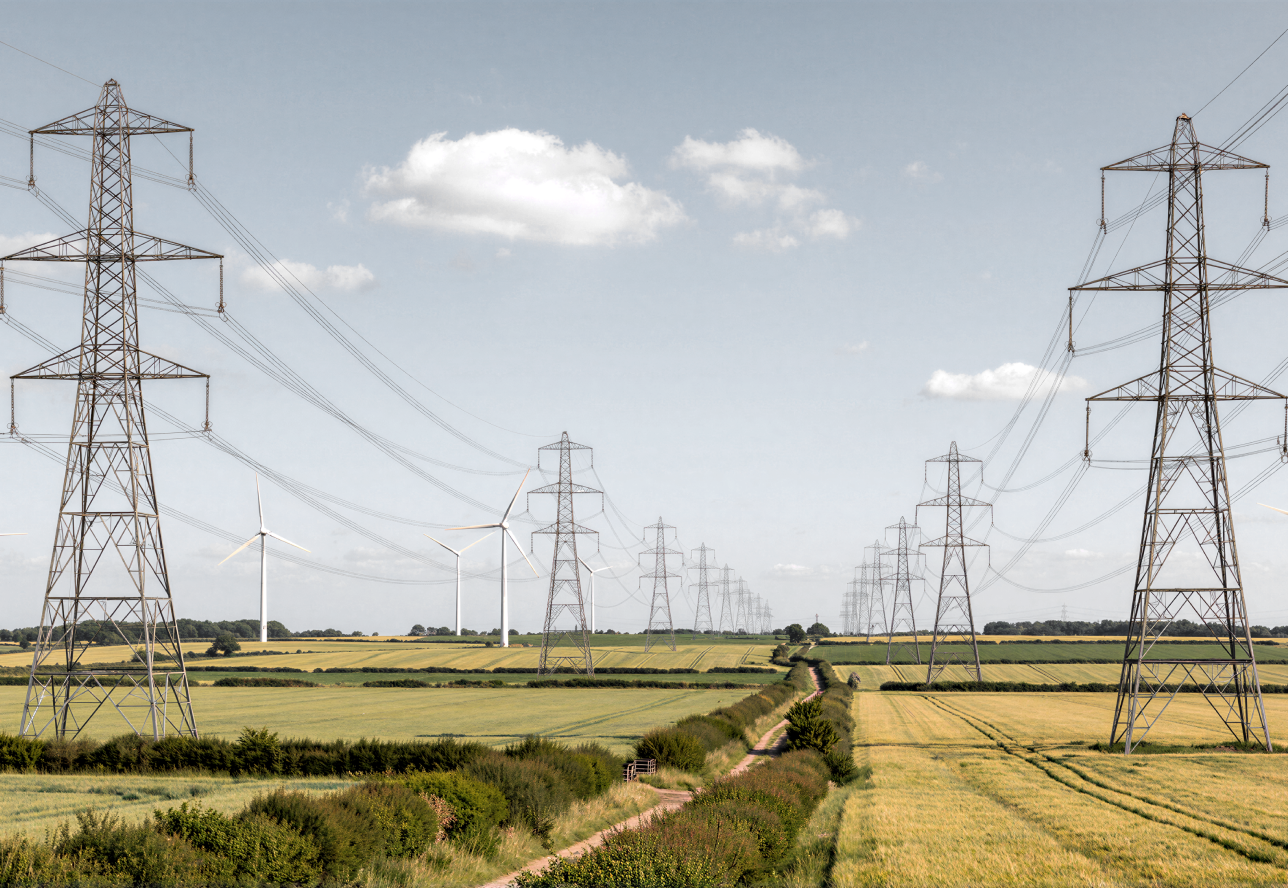
The National Energy System Operator (NESO) forecasts that electricity balancing costs could rise from around £2 billion a year today to as much as £8 billion by 2030. More than 60 per cent of those costs are associated with thermal constraints, underlining the need to reduce pressure on the grid.
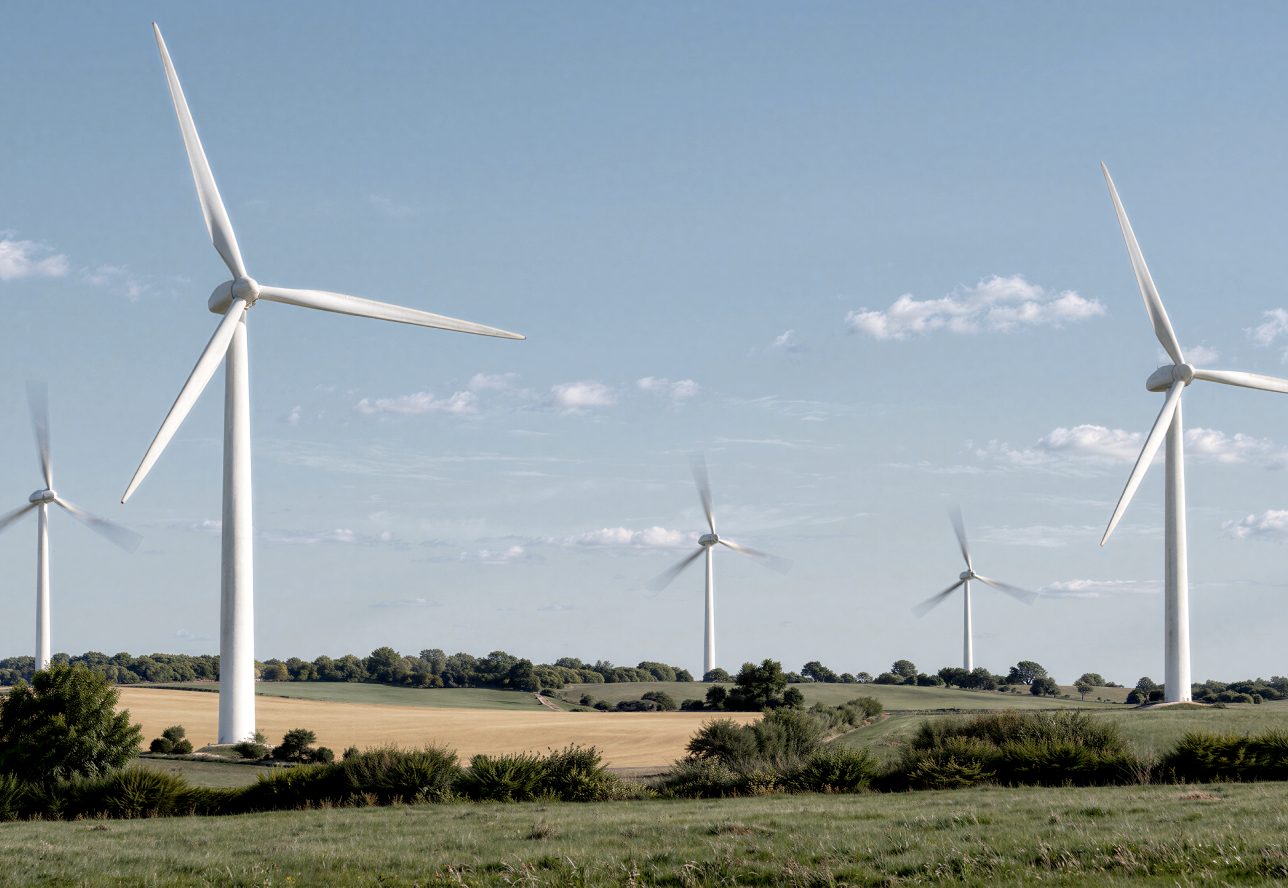
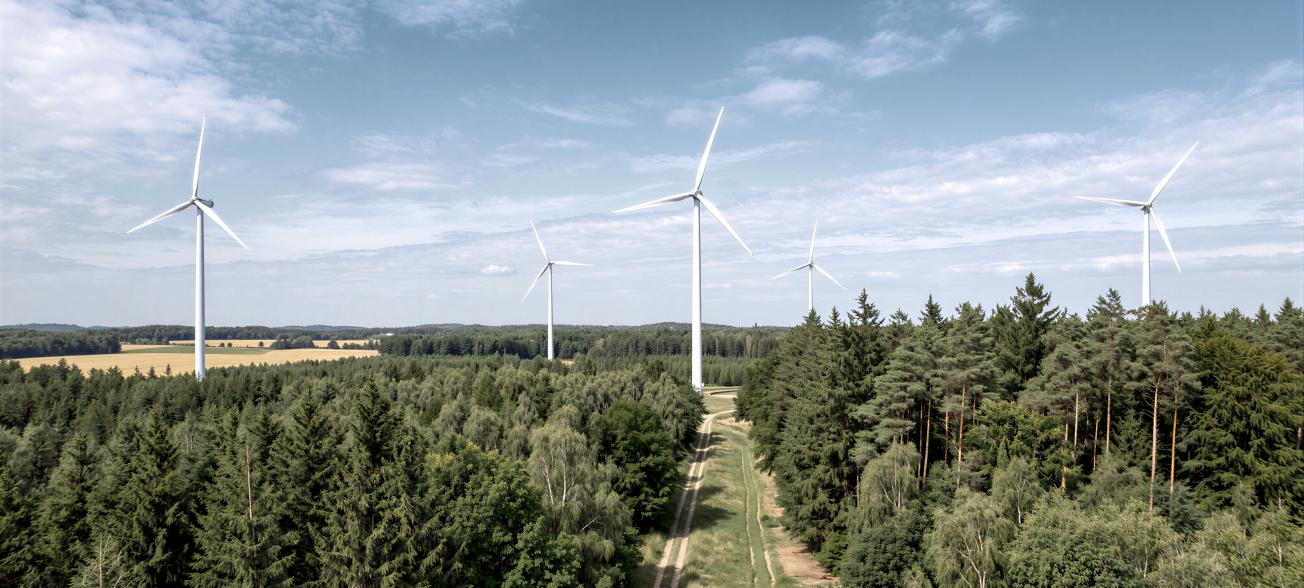
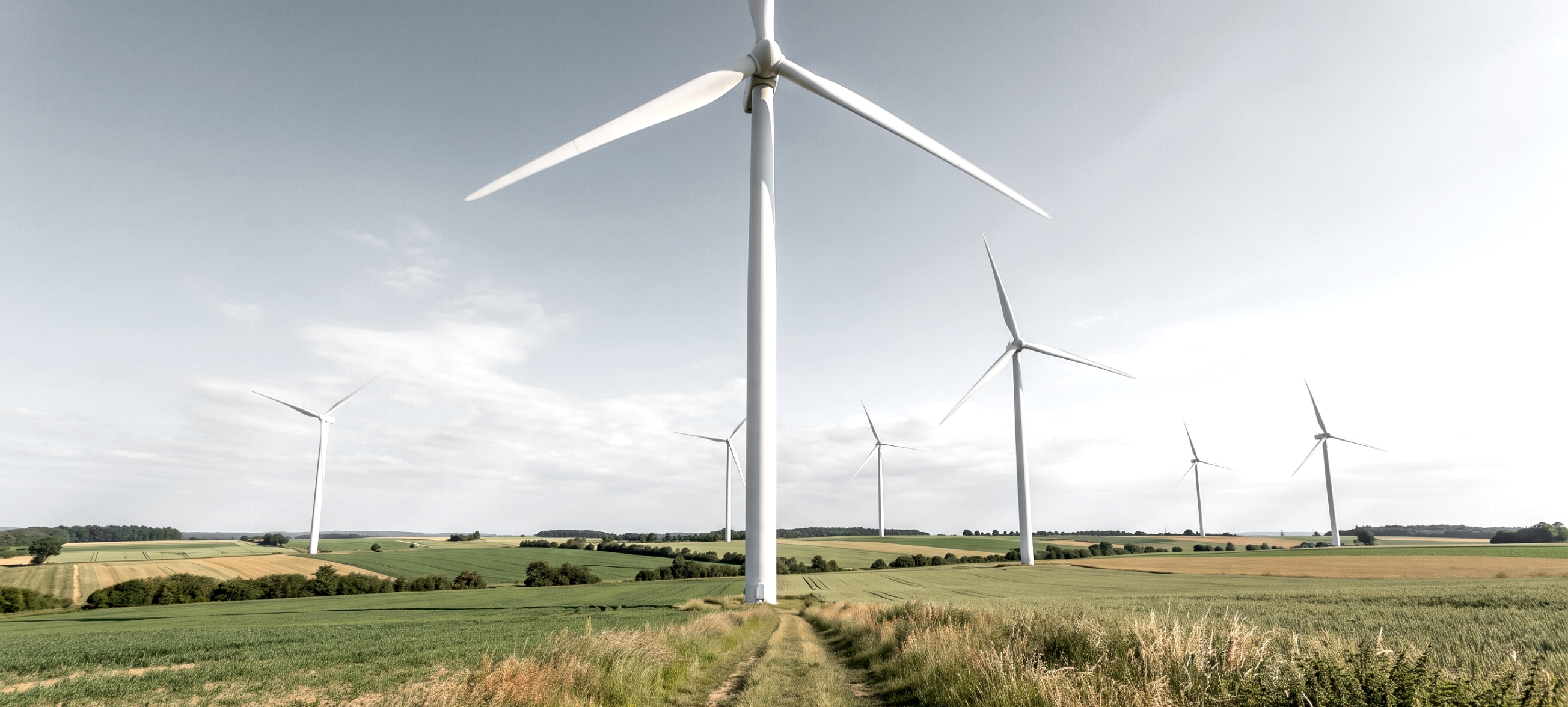
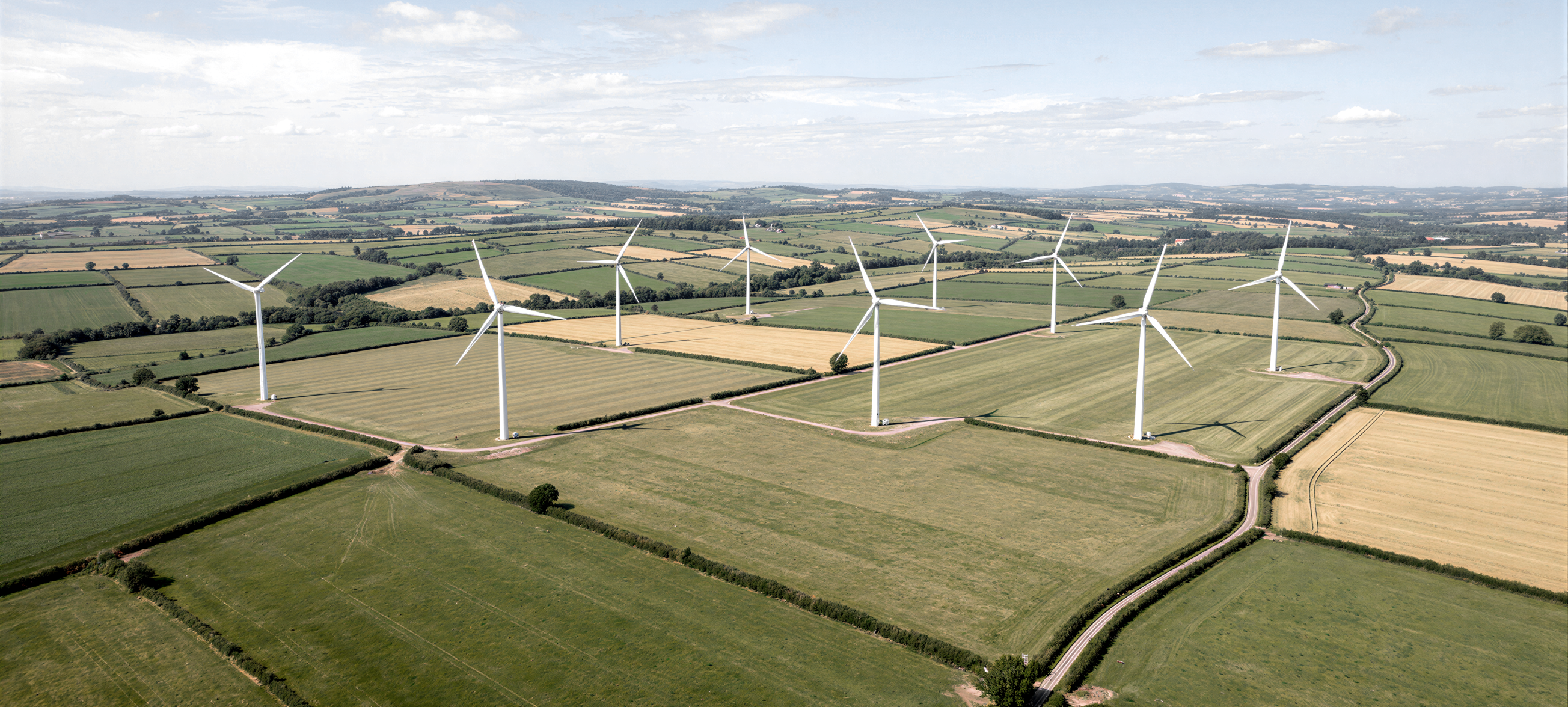
Constraint payments occur when electricity generated by wind farms cannot be transported to where it is needed because of limitations within the grid network. In these situations, wind farm operators are paid to reduce output while other power stations are paid to generate electricity closer to centres of demand – with the costs ultimately passed on to consumers.