As direct payments continue to disappear and input costs remain unpredictable, many farm businesses are taking a fresh look at how underperforming land could contribute more to long-term resilience.
For some farmers and landowners, onshore wind is becoming part of that conversation.
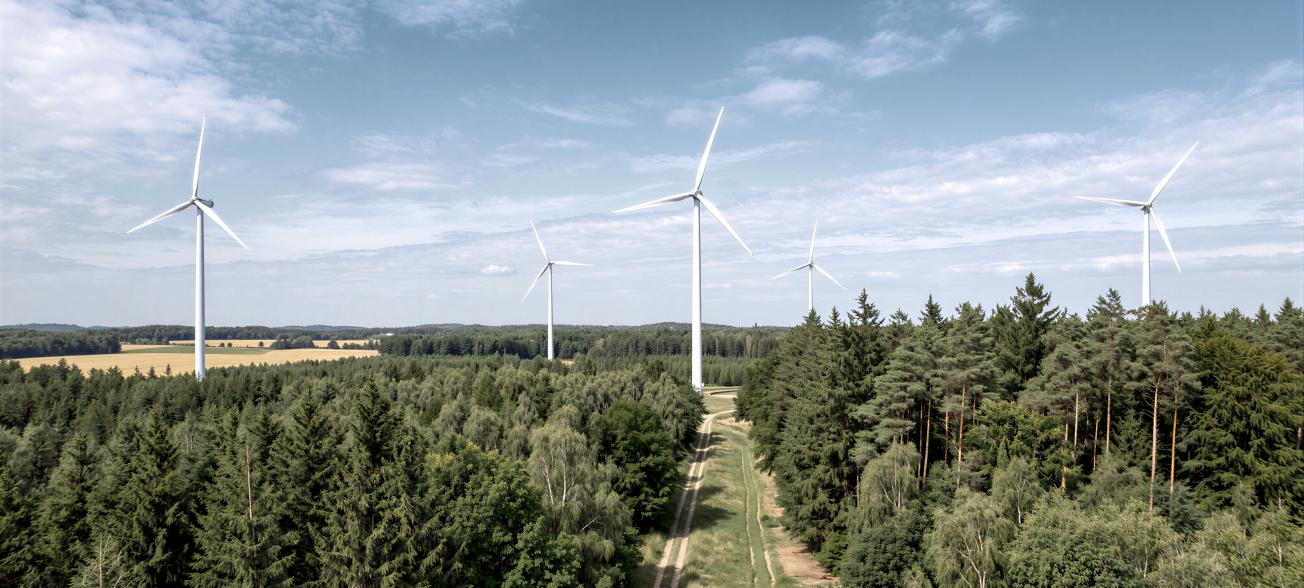
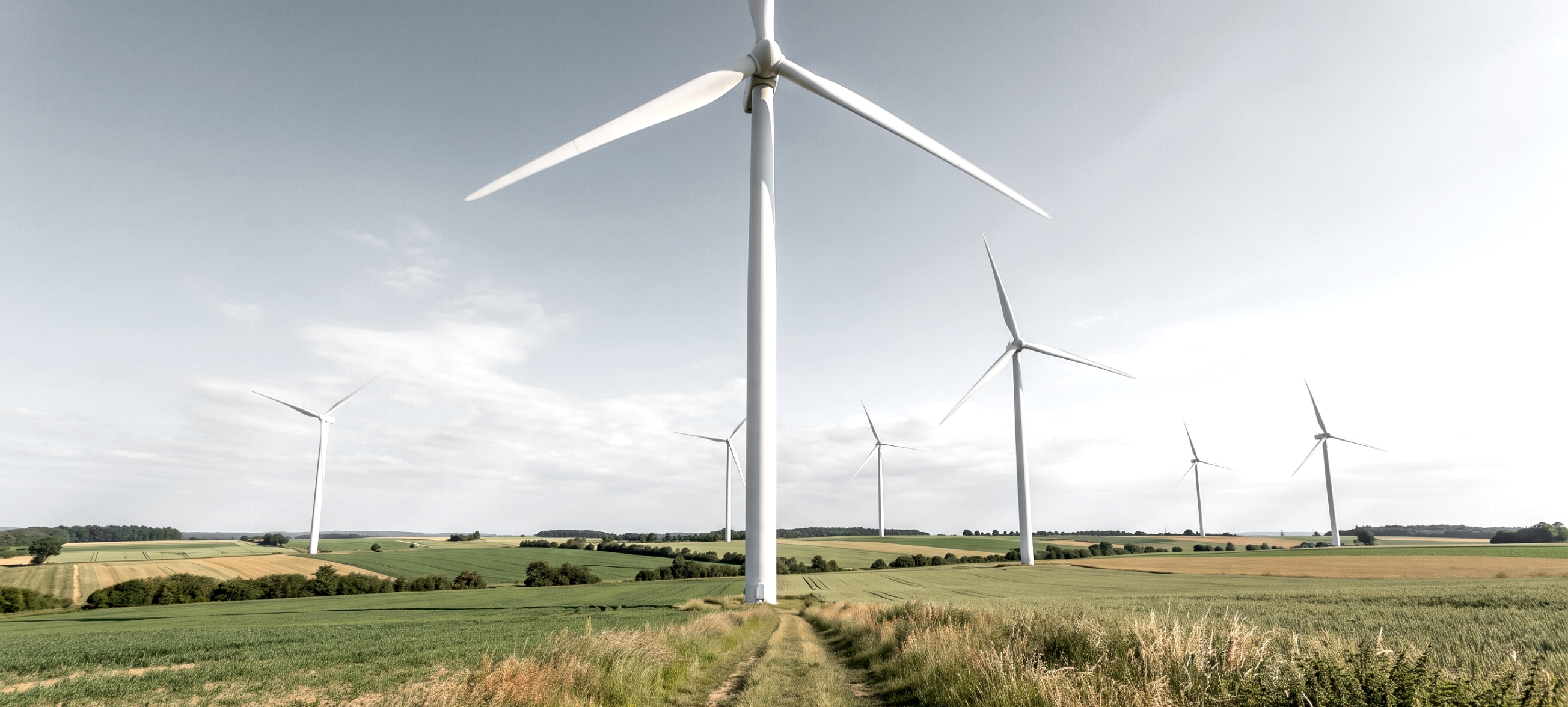
With government backing for renewable energy strengthening, wind turbine developments can offer the opportunity to generate long-term, index-linked income from relatively small areas of land, while normal farming operations continue around them.
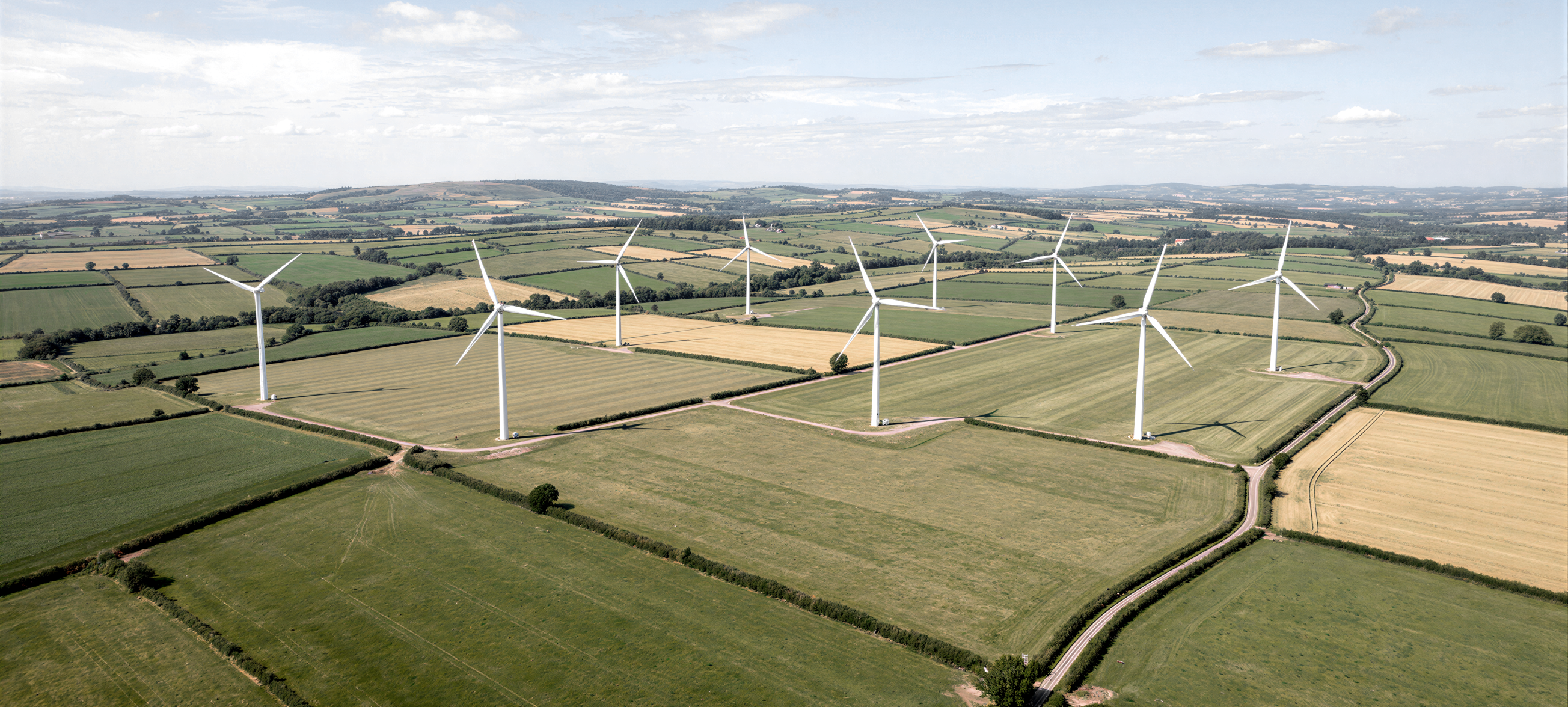
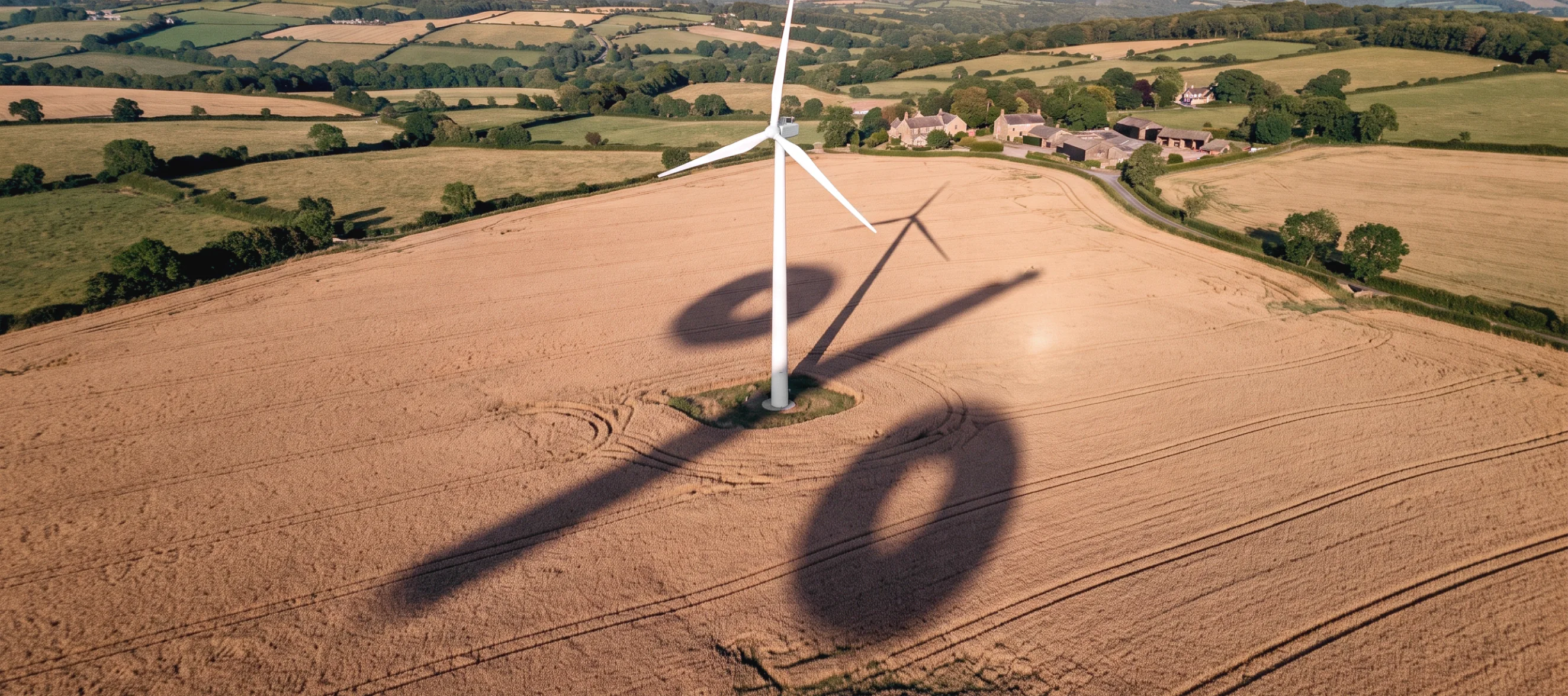
Typically, the developer manages feasibility studies, planning, grid connection and long-term agreements. In many cases, a turbine may occupy as little as two acres (including foundation, crane pad and access tracks), meaning grazing and arable operations can often continue around the infrastructure.
For farms where some land is difficult to farm efficiently or delivers inconsistent returns, a turbine can provide an additional income stream without significantly affecting day-to-day operations.
Planning considerations, landscape impact and local community engagement remain important parts of the process and should be considered carefully alongside the financial opportunity.
But while much of the process is handled externally, the financial and tax implications deserve careful thought before any agreement is signed.
A long-term diversification income
The most common arrangement involves leasing land to a third-party developer that installs and operates the turbine. Agreements can run for 25 years or longer, providing a stable income stream that is not directly linked to commodity prices or annual harvest performance.
Landowners will often receive a fixed annual rent alongside a percentage of electricity revenue, with terms reviewed periodically throughout the agreement.
For many farms, this can provide valuable diversification income at a time when businesses are under pressure to spread risk and strengthen cash flow. Renewable income can also help support investment, environmental schemes or succession planning.
However, headline figures only tell part of the story.
Tax treatment, ownership structures and succession planning can all have a major impact on the long-term value of a project.
Identifying opportunities
Selecting and understanding the potential of a site is key to the success of any project.
Consideration needs to be given to issues such as accessibility, the capacity of the nearest grid connection and any local planning constraints or opportunities.
Caeli UK provides landowners with a digital end-to-end service to assess potential and secure transparent agreements. The platform brings project developers and landowners together and helps private landowners, estates and communities understand the wind potential, planning situation and development prospects of their land.
Through Site Check, landowners can receive a professional assessment of their site within just a few clicks. The results include information on wind conditions, grid access, planning constraints and expected turbine yield.
Caeli manages the entire process end-to-end – from the initial feasibility assessment through planning, grid connection and site development, all the way to matching the site with the right developer. This gives landowners a clear, transparent process from start to finish, so they can continue to focus on their core farming business while benefiting from wind as a secure additional income stream.